
Allergy Research Global Collaboration
London Allergy and Immunology Centre operates within a highly specialised international research environment dedicated to adult and paediatric allergy, clinical immunology, urticaria, angioedema, dermatology and airway disease. As a recognised UCARE and ACARE centre, we contribute to advanced research pathways that integrate specialist patient care with translational science and high-quality clinical trial delivery.
Modern allergy and immunology research is increasingly driven by precision medicine, with emphasis on biomarker-based patient stratification, endotype-specific therapies and targeted biologic treatments. Our centre supports this evolving landscape by combining consultant-led expertise with practical research delivery, ensuring that clinical studies remain scientifically robust, operationally efficient and directly relevant to patient outcomes.
We collaborate with academic institutions, pharmaceutical companies and contract research organisations across Europe and internationally. Our involvement spans early clinical development, feasibility assessment, protocol design, investigator meetings, participant pathway planning, data interpretation and publication support. This integrated approach allows us to contribute meaningfully at every stage of the research lifecycle.
Under the clinical research leadership of Professor Michael Rudenko, Principal Investigator and Co-Investigator in multiple Phase 1–3 clinical trials, the centre maintains a strong focus on rigorous study conduct, accurate disease phenotyping and adherence to Good Clinical Practice. This ensures high-quality data generation, patient safety and alignment with current UK regulatory frameworks, including MHRA and ethics requirements.
Our overarching goal is to translate scientific innovation into measurable improvements in diagnosis, treatment and long-term disease control for patients with allergic and immune-mediated conditions, while supporting sponsors with reliable, specialist clinical research capability in London.
ACARE Centre
Adult & Paediatric Allergy
Clinical Trials & Translational Research
Phase 1–3 Clinical Trials
Precision Medicine
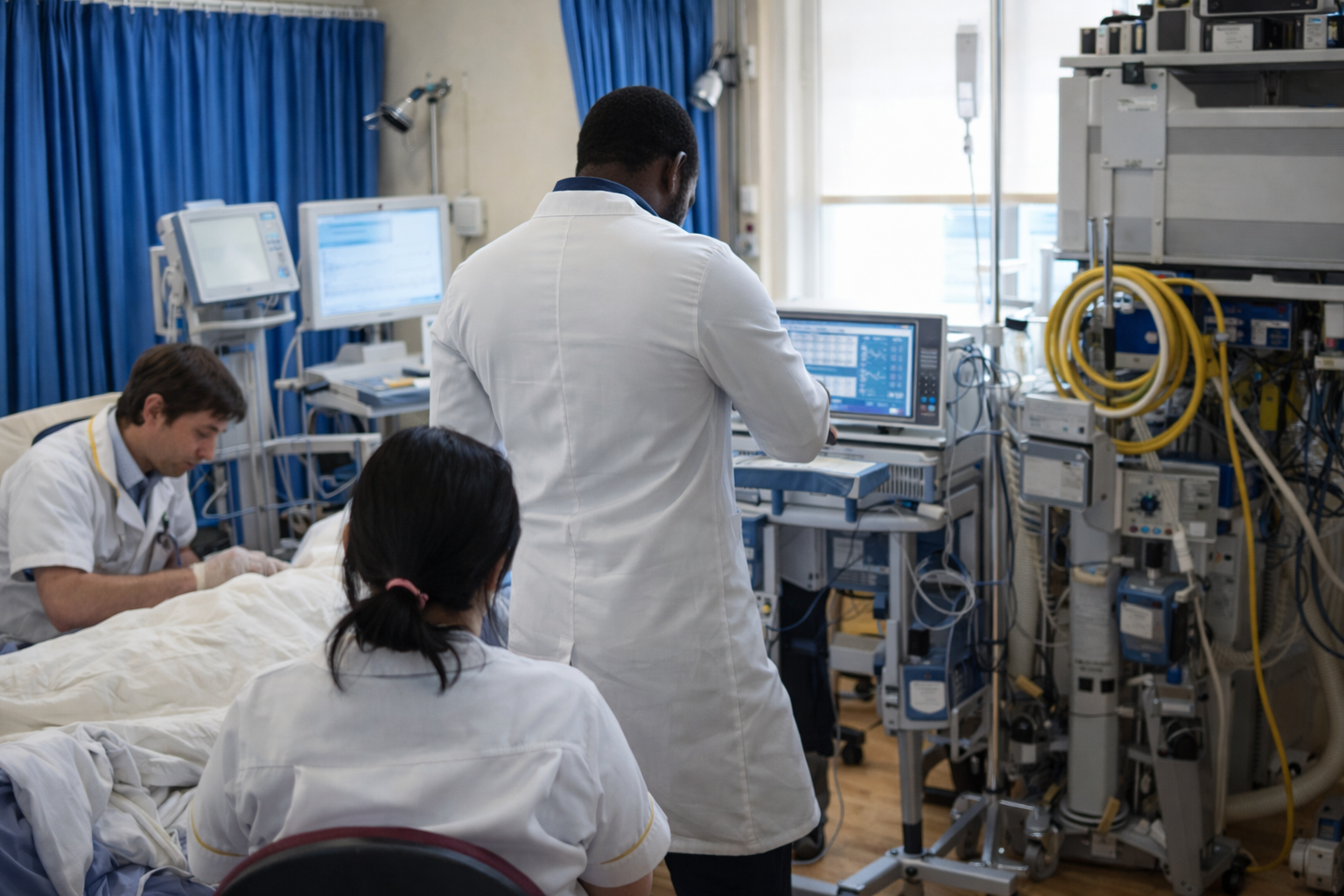
Allergy research collaboration in London and Europe at London Allergy and Immunology Centre Consultant-led allergy and immunology research at London Allergy and Immunology Centre supporting clinical trials and innovation in patient care.
Why allergy research collaboration matters
Allergy and immunology are moving rapidly towards precision medicine. Recent literature highlights the growing importance of biomarker-informed patient stratification, endotype-driven treatment pathways, digital symptom tracking, patient-reported outcomes and translational research linking mechanisms to care. In practical terms, this means research programmes increasingly need specialist centres that understand both complex allergic disease and the operational demands of modern clinical trials.
Our centre contributes to this model by combining consultant-led clinical expertise with research-minded infrastructure, careful protocol delivery and a strong focus on participant safety, data quality and real-world relevance.
Clinical trial support
Support across feasibility, investigator collaboration, trial procedures, participant pathways and study conduct in line with contemporary clinical research standards.
Translational focus
Research interests spanning allergy, urticaria, angioedema, mast cell disease, dermatology, allergic rhinitis, asthma and paediatric allergy.
Publication pathway
Input from concept discussion and protocol drafting through to data interpretation, statistical collaboration, manuscript preparation and submission.
UCARE and ACARE centre expertise
Urticaria and mast cell-related research
UCARE recognition reflects expertise in urticaria care, research and education. This is especially relevant for studies in chronic spontaneous urticaria, chronic inducible urticaria, antihistamine-refractory disease, anti-IgE pathways, mast cell-driven disease and emerging targeted therapies.
Angioedema and rare disease pathways
ACARE accreditation supports specialist work in recurrent angioedema, hereditary angioedema and complex swelling disorders, including research requiring expert phenotyping, diagnostic work-up and longitudinal follow-up.
This combination is particularly valuable for sponsors and collaborators seeking specialist recruitment, well-characterised patient populations and experienced investigator input in allergic and mast cell-mediated conditions.
Research capabilities
What we can support
- Early scientific discussion and concept refinement
- Feasibility assessment and investigator collaboration
- First-in-human and early-phase study pathways where appropriate
- Protocol review and practical implementation planning
- Adult and paediatric allergy recruitment support
- Symptom scoring, patient-reported outcomes and longitudinal follow-up
- Clinical interpretation of allergy and immunology phenotypes
- Data review, publication planning and manuscript preparation
Research areas of interest
- Food allergy and molecular allergy diagnostics
- Allergic rhinitis and airway disease
- Atopic dermatitis and inflammatory skin disease
- Drug allergy and desensitisation pathways
- Chronic urticaria and angioedema
- Mast cell activation disorders
- Biologic therapies and targeted immunomodulation
- Precision medicine and translational immunology
Research standards and quality
High-quality allergy research depends on rigorous study design, participant safety, accurate phenotyping and dependable data capture. Modern research frameworks increasingly emphasise quality by design, proportionate oversight, risk-based quality management, appropriate use of technology and meaningful inclusion of diverse participant populations. These principles are highly relevant to allergy trials, where disease heterogeneity, trigger variability and patient-centred outcomes are central to study quality.
Training, protocol fidelity and continual professional development remain essential. Our investigators value careful study conduct, practical problem-solving and ongoing self-education as part of delivering research that is both scientifically strong and clinically useful.
Global Allergy Network collaborators
Our foundation collaboration model links London-based consultant expertise with leading European centres and internationally recognised researchers in allergy, dermatology and immunology.
Founder Centres and Leadership
The Global Allergy Network was built on collaboration between leading European centres with recognised expertise in allergy, dermatology, immunology and respiratory medicine. These founding institutions provided scientific leadership, clinical excellence and strategic direction across research programmes, clinical trials and guideline development.
London Allergy and Immunology Centre
Professor Michael Rudenko, Dr Robert Boyle, Dr Andrew Clark and Dr Katya Burova lead clinical and translational research across adult and paediatric allergy, with a focus on precision diagnostics, immunotherapy and complex allergic disease.
University Hospital Zurich
Professor Peter Schmid Grendelmeier is recognised for his work in respiratory allergy, asthma and environmental exposure research, contributing to European standards in allergy care and clinical investigation.
Charité – Universitätsmedizin Berlin
Professor Marcus Maurer provided global leadership in urticaria research, mast cell biology and international guideline development, shaping modern therapeutic approaches to chronic urticaria and angioedema.
Allergy and Asthma Centre Westend Berlin
Dr Jörg Kleine-Tebbe was widely respected for advancing molecular allergology, respiratory allergy and allergen immunotherapy, contributing to improved diagnostic precision and patient-centred care.
Together, these centres formed a collaborative network supporting innovation in allergy and immunology, aligned with contemporary research priorities including biologic therapies, precision medicine, and patient-reported outcome integration.
In Memoriam
We honour the memory and enduring scientific legacy of Professor Marcus Maurer and Dr Jörg Kleine-Tebbe, whose work helped shape contemporary allergy and clinical immunology across Europe and internationally.
Professor Marcus Maurer was a pioneering authority in urticaria, mast cell biology and related inflammatory skin disease. His work transformed clinical understanding, trial development and guideline-based care in chronic urticaria and angioedema.
Dr Jörg Kleine-Tebbe was widely respected for his expertise in respiratory allergy, allergen immunotherapy and molecular allergology. His contributions advanced precision allergy diagnostics, scientific exchange and patient-centred care.
Their scholarship, mentorship and collaborative spirit continue to influence clinicians, researchers and the next generation of allergy specialists.
Discuss a research collaboration
We welcome discussion with sponsors, CROs, academic investigators and collaborative networks seeking specialist input in allergy, immunology, urticaria, angioedema, dermatology and translational clinical research.